The Ecologist


Other Blogs

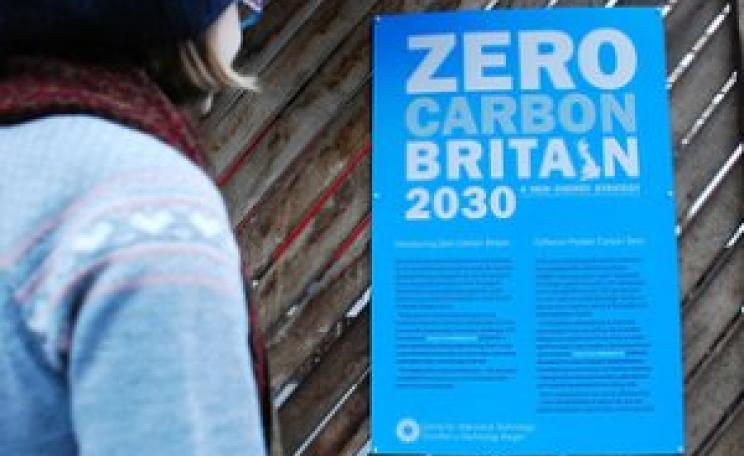
Is the climate change movement splintering?

Bibi van der Zee


Guardian Environment Network

Climate change activists are regrouping post-Copenhagen – and some are reasserting their radical roots

The climate change movement is dead, long live the climate change movement! was the proclamation made last week by Rising Tide North America, as green campaigners around the world begin coming to terms with the switchback ride of the last three months.

'A particular model of dealing with climate change is dying. It is revealing itself before the world as nothing more than a final scramble for the remaining resources of a planet in peril,' states a quote from Naomi Klein at the beginning of the document, before stating:

'Many in the climate movement have grown all too cosy with the status quo. The 'bold' action they call for will result in the privatisation of the air, to be divided up by mega-polluters. Their demands for carbon neutrality seek to offset our problems onto poor countries while the rich keep burning and consuming. Those who still cling to the old climate movement have committed themselves to a sinking ship.'
Read More...

Ed Miliband has his head in the clouds

Leo Hickman


Guardian Environment Network

He is the latest politician to fall for the aviation lobby's social class argument – but it just doesn't stand up to scrutiny

Very interesting – and telling – words this week from Ed Miliband regarding the so-called 'right to fly'. The climate change and energy secretary told the Guardian that he didn't 'want to have a situation where only rich people can afford to fly', and would therefore not be seeking to include aviation within the government's broad commitment to reduce carbon dioxide emissions by 80 per cent by 2050.


'Where I disagree with other people on aviation is if you did 80 per cent cuts across the board, as some people have called for on aviation, you would go back to 1974 levels of flying,' he said. Miliband picked out the airport within his own constituency, Doncaster Sheffield, as an example. 'People in my constituency have benefited from being able to have foreign travel which, 40 years ago, the middle classes took for granted,' he said. 'There are... Read More...

Does teleworking really cut emissions?

Duncan Graham-Rowe


Guardian Environment Network

Working from home and meeting electronically save time and hassle, but the evidence that they reduce emissions is lacking

Meeting electronically is being promoted an area where technology can help curb CO2 emissions.

Amid the chaos of this month's Tube strike, BT's marketing folk seized the moment by offering free demonstrations of its latest high-definition video conferencing software to show Londoners that there is another way – teleworking. Besides saving time and cutting out the hassle of travel, working from home and meeting electronically are widely promoted as being two of the most promising areas where technology can help curb CO2 emissions. But are they?

According to the IT industry, teleworking has the potential to reduce global CO2 emissions by as much as 260m tonnes by 2020. BT claims that in 2005, internal use of video conferencing allowed it to save more than 54,000 tonnes of CO2 by reducing the need for travel... Read More...

Blog: Earthenwitch

Earthenwitch


picture earthenwitch main.jpg

Making your own wine, or the joy of something for (virtually) nothing. A few years back, my father decided that it was time to clear out his shed (Serious business, that. I could swear that his shed was a portal to another world, where its primary function was that of a municipal tip).

After the obligatory old lawnmowers and mouldering cardboard boxes had been disposed of, he came across a few old demijohns, mostly filled with spiders and the gunk of a long-abandoned experiment in sherry, which, clearly, he had decided against continuing. Did I want them, he wondered, and thus began my career in wine making.

Making your own wine lets you try out flavours you'd struggle to find, while making the most of what's on offer in your own back garden or hedgerow. There is something masochistically satisfying about staggering through a large bramble patch attempting to reach those elusive bloody berries which, if one's arm was only six inches longer, would constitute the philosopher's stone of alcohol. You become a finely-tuned hunter, eyes constantly on the look-out for overlooked plums, discarded medlars, unwanted crabapples. This can also work to your advantage if you're a cheeky blighter by nature - volunteer to take fruit off someone's hands, returning them... Read More...

What Was The Life That We Were Living?

Billy Talen


We interrupt our regular programming for a moral advisory...

No, the reverend is not too depressed to complete his sermon. I wish to thank all of you in the congregation for your patience with me. I have in the last month fallen down into the dank flesh of my own pulpit, into the steaming darkness below. Oh, to stand in the light again, to look out across the tens of thousands of Ecologist faithful. Oh, we are a megachurch by God! Change-a-lujah!

In our last sermon, I suggested to you Brits that parades, petitions, embarrassing newspaper stories about the Downing Street memo, etc, don’t work anymore. I went on to counsel you that to save the earth you must show a willingness to offer the ultimate sacrifice, yes, to meet the Christ cowboy devils on their own terms: fight them to the death, Alamo-style. But the editors of The Ecologist have pointed out to me that you have been mad dogs in the noonday sun (which never sets) for centuries now. So, this Sunday, I have a much more... Read More...

Latest Entries

Previous Articles...

Members


Follow the Ecologist